
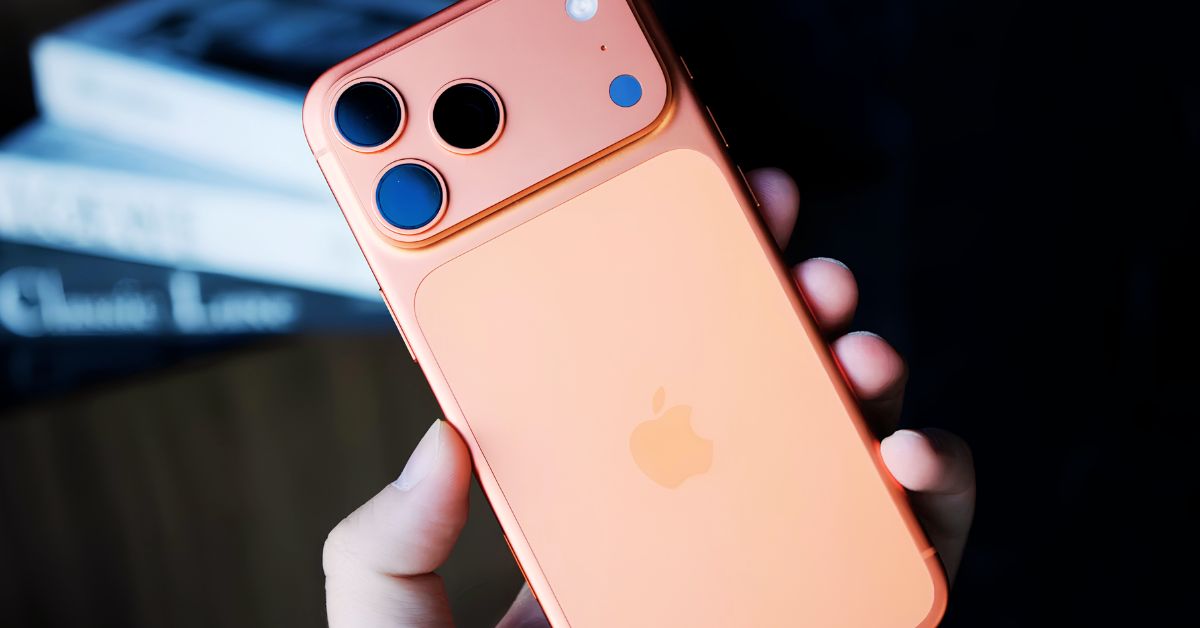
There is a specific feeling that happens when a new iPhone comes out and you check the price.
It is not quite shock. You knew it was going to be expensive. It is more like a slow exhale. A quiet moment of staring at the number and thinking, that used to cost less.
And you are right. It did.
The iPhone that sat at $999 a few years ago has quietly become a $1,099 phone, then a $1,199 phone, with the Pro Max version creeping toward $1,400 depending on how much storage you pick. iPhone 18 Pro could begin near $1,199 while the iPhone 18 Pro Max might reach between $1,299 and $1,399 depending on storage capacity.
That is a significant amount of money for a phone. And the question that most people are too polite to ask out loud is a fair one. Does it actually feel better?
The honest answer is yes, a little. And also, not really in the ways that matter most to regular people.
Here is what is actually driving the price up.
Memory chips are a big part of it. Memory costs now account for 30 to 40 percent of a smartphone’s total bill of materials, up from 10 to 15 percent historically. The components that go inside these phones have gotten genuinely more expensive, and some of that cost gets passed directly to you at the register.
But there is another pricing move Apple has been making that is subtler and a little more frustrating. Apple did not technically raise the price of the iPhone 17 Pro, but it did remove the base 128GB model, effectively raising the entry price by forcing buyers to pay for the 256GB version whether they needed it or not.
So on paper, the price stayed the same. In practice, the cheapest version of the phone you could walk out of the store with cost $100 more than the year before. That is a price increase dressed up as a storage upgrade.
Apple is also very deliberately pushing buyers toward more expensive models by concentrating the most exciting new features in the Pro and Pro Max versions while giving the standard models incremental updates. The idea is that if you want the best camera, or the best display, or the specific feature they just announced, you have to buy the pricier version.
This works because Apple knows its customers. People who buy iPhones tend to keep buying iPhones. The switching cost, learning a new system, moving your photos and contacts and habits to a different phone, feels significant even when the phones themselves have become very similar in day to day experience.
The truth is that the core experience of using an iPhone, scrolling through apps, taking everyday photos, texting, navigating, has not changed dramatically from one generation to the next for several years now. The chip inside gets faster, yes. But for what most people actually do, the chip that was in an iPhone two or three years ago was already fast enough.
The average retail price of smartphones is expected to rise by 14 percent in 2026 reaching a record high. That trend is not reversing anytime soon.
So what should you actually do with this information?
If your current iPhone is working fine and you are within the age range where it still gets software updates, the most financially sensible thing is to keep using it. Apple provides software support for iPhones for five to six years after release, which means a phone from 2021 or 2022 is still getting security updates and new features right now.
If you genuinely need a new iPhone, the smartest buy in most cases is not the brand new model. It is last year’s model, which drops in price the moment the new one comes out and does nearly everything the new one does at a meaningfully lower cost.
And if you are buying for a teenager or someone who is not going to notice the difference between last year’s chip and this year’s chip, the standard model or even a certified refurbished older model is perfectly capable of handling everything they need.
The new iPhone is genuinely impressive technology. Nobody is arguing otherwise. But impressive technology and necessary technology are two different things, and the gap between them is growing a little wider every September.
More in Tech – Is It Actually Worth Upgrading Your Phone Every Two Years : The Honest Math Nobody Does for You