Every time a new phone launches, the same argument plays out. You pick a base model with 128GB of storage. Someone tells you that is not enough. Maybe you start second-guessing yourself. Maybe you pay an extra hundred dollars for the 256GB version you are not sure you actually need.
Let us settle this. Not with opinions. With how people actually use their phones right now.
What 128GB Can Actually Hold in Real Life
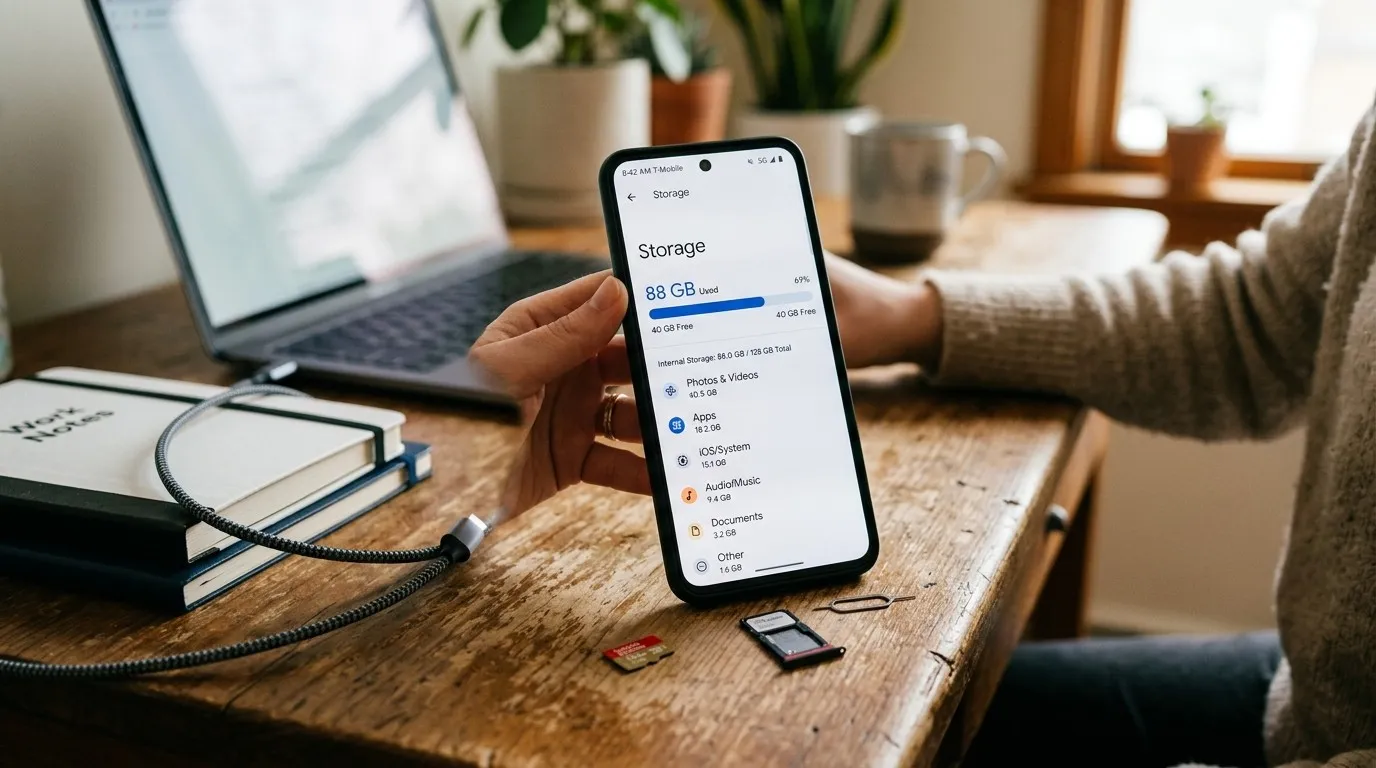
Let us start with the math, applied to real-world usage. On a typical 128GB phone, the operating system and pre-installed apps consume between 12GB and 25GB. That leaves you with roughly 100GB to 110GB of actual usable space.
Here is what that space translates to in practical terms:
If you take photos, a typical 12-megapixel photo from an iPhone or Samsung Galaxy takes about 2MB to 3MB. That means you can store roughly 30,000 to 50,000 photos before hitting the limit. Most people do not take that many photos in two years.
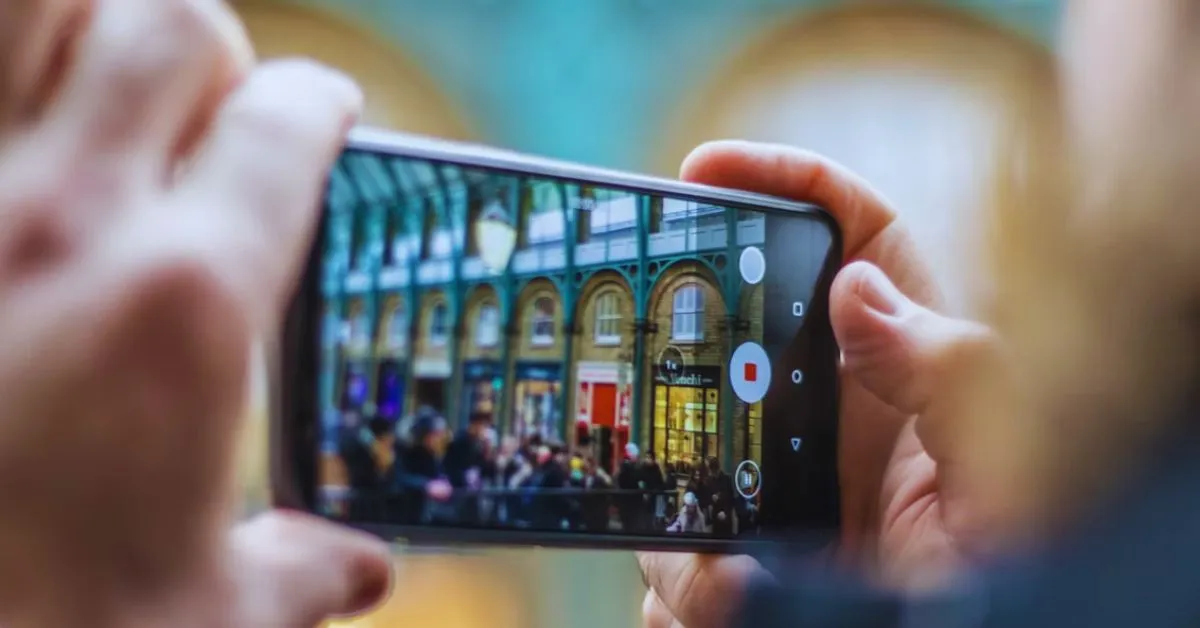
If you take videos at standard 1080p, one minute of footage takes about 130MB. That gives you around 12 hours of 1080p video. If you shoot in 4K at 30 frames per second, that drops to roughly three to four hours of footage.
For apps, the average app in 2026 takes between 200MB and 1GB, with most falling under 500MB. Even if you installed fifty moderately sized apps, you would use roughly 25GB of space.
Music streaming has largely eliminated the need to store music locally. Spotify, Apple Music, and YouTube Music all allow offline downloads, but most people stream rather than store. If you do download music, 1,000 songs in standard quality takes roughly 3GB to 4GB.
The point is not that 128GB is infinite. The point is that for the overwhelming majority of people, 128GB is enough to use their phone normally for two to three years without ever thinking about storage.
Who Should Still Buy 256GB or 512GB
There are genuine cases where 128GB will cause problems. If you shoot a lot of 4K or ProRes video, especially for work or content creation, 128GB will fill up fast. One minute of ProRes video at 4K can take 6GB alone. That means roughly fifteen minutes of ProRes footage maxes out your phone. If that sounds like your life, you already know you need more storage.
If you keep your phone for four or five years instead of upgrading every two or three, the extra headroom matters. Over five years, app sizes grow. System files expand. Your photo library accumulates steadily. The 30,000 photos you will probably never take in two years starts looking more realistic over five years. For long-term users, 256GB provides a meaningful buffer.
If you download entire TV seasons or movies for flights and commutes and do not want to manage your storage, larger capacities remove the hassle. A single movie in high quality takes 3GB to 7GB. A full season of a show can run 20GB to 40GB. That adds up.
Why the Storage Scare Is Outdated
The fear that 128GB is too little comes from a time when phones shipped with 16GB or 32GB of storage. Back then, you genuinely had to manage your space. You deleted photos. You rotated apps. You watched your storage bar creep toward the red line.
That era is over. The jump from 64GB to 128GB was the real inflection point. Once usable space crossed 100GB, the day-to-day anxiety about storage disappeared for most users. The jump from 128GB to 256GB is a convenience upgrade, not a necessity upgrade.
Cloud storage has also changed the calculation. Google Photos, iCloud, and OneDrive all offer automatic backup. Your photos and videos do not need to live on your device permanently. You can optimize storage on both iPhone and Android, keeping smaller versions on the phone while full-resolution copies live in the cloud. That alone stretches 128GB significantly further than it would have five years ago.
What Phone Makers Do Not Tell You About Storage Tiers
Phone manufacturers make significantly more profit on higher storage tiers. The cost difference between a 128GB and a 256GB chip is roughly $10 to $15 for the manufacturer. They charge you $100 to $150 for that upgrade. That is one of the highest margin upsells in the entire phone industry.
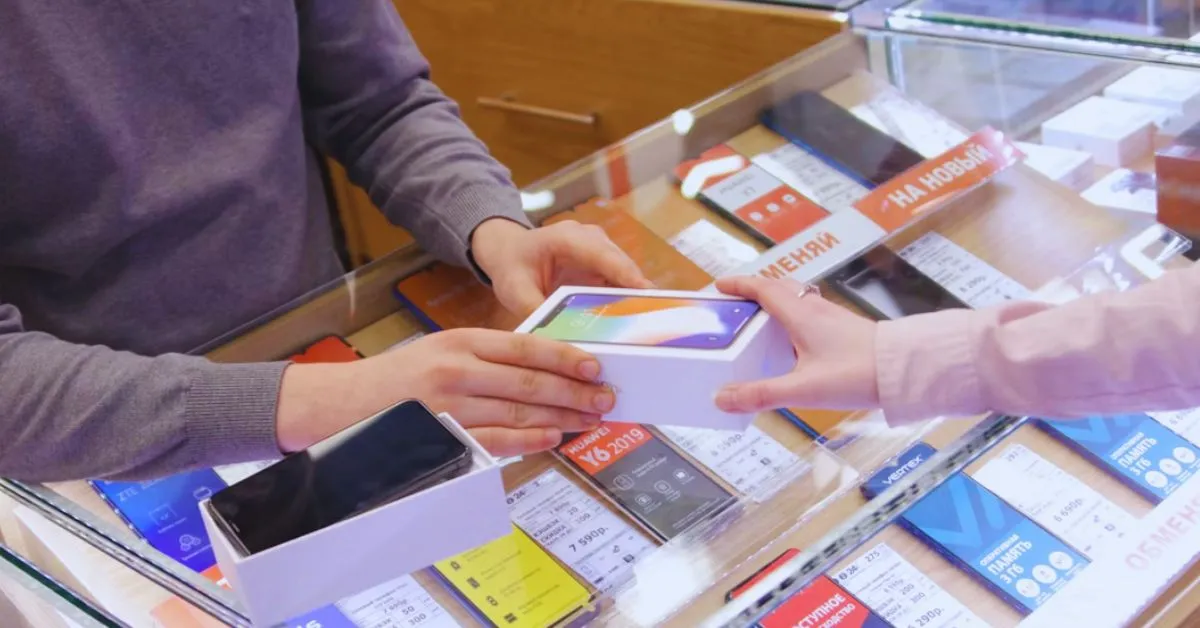
This is why salespeople push you toward higher capacities. It is not because you need it. It is because it is profitable.
When You Should Pay for More Storage
Here is a simple framework to decide.
You are fine with 128GB if you stream most of your media, take a normal number of photos and videos, do not keep every app you have ever downloaded, and upgrade your phone every two or three years.
You should consider 256GB if you shoot a significant amount of 4K video, plan to keep your phone for four or more years, download large amounts of content for offline use, or have hit the storage limit on a previous phone.
You should consider 512GB or more only if you shoot professional video on your phone, use it as your primary camera for work, or have specific workflow needs that involve large file transfers.
For the majority of people reading this article, 128GB is enough. The hundred dollars you save by not upgrading to 256GB is better spent somewhere else. A good case. A faster charger. A year of cloud storage. Or just kept in your pocket.
The Bottom Line
Storage anxiety is driven more by marketing than by reality. Unless you fall into one of the specific high-usage categories above, 128GB will serve you well for the life of your phone. The extra money for more storage is a convenience tax, not a necessity.
If you already bought a 256GB phone, do not feel bad about it. But if you are standing in the store right now trying to decide, ask yourself one honest question: have you actually run out of storage on your current phone? If the answer is no, save your money.
Related: Is It Actually Worth Upgrading Your Phone Every Two Years : The Honest Math Nobody Does for You