The gap between what you get at $400 and what you get at $1,000 has narrowed to a point where most people would struggle to feel the difference walking through day-to-day life with either phone in their pocket.
We spent three weeks testing eight phones across four price tiers to understand exactly where the extra money goes and whether it actually matters for the way most people use their phones.
What $400 Buys You in 2026
The mid-range market has transformed. A $400 phone in 2026 typically includes a 120Hz OLED display, a 50MP main camera with respectable processing, 5G connectivity, and a processor that handles everyday tasks without noticeable lag. Two years ago, these features were exclusive to devices that cost twice as much.
Phones like the Samsung Galaxy A56, Google Pixel 9a, and OnePlus Nord 5 demonstrate just how far the mid-range has come. For messaging, social media, video streaming, navigation, and casual photography, the experience is genuinely difficult to distinguish from a flagship device in blind testing.
Where the Extra $600 Goes
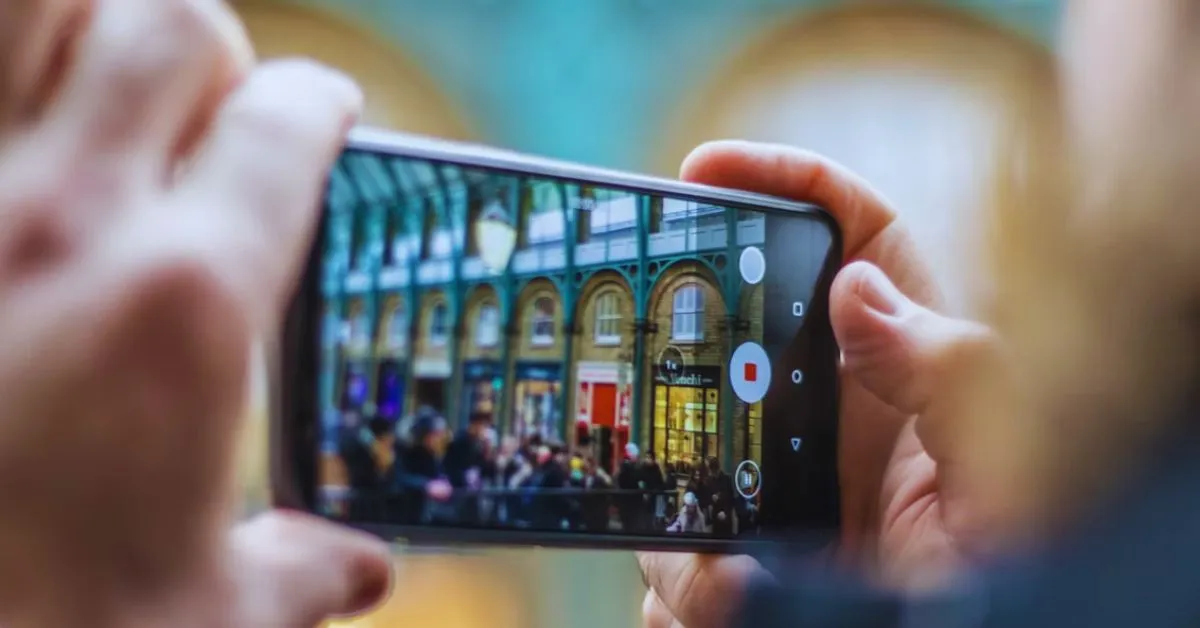
The differences that remain are concentrated in three areas. Camera processing in challenging conditions remains the biggest differentiator. Flagship phones handle low light, high contrast, and moving subjects noticeably better. Their displays can hit over 2,000 nits of peak brightness versus around 1,000 nits on mid-range phones, which makes a real difference when you are using the phone outdoors in direct sunlight. And for demanding 3D gaming, flagship processors maintain higher and more consistent frame rates without thermal throttling.
Build materials also differ. Flagship phones use titanium or stainless steel frames with ceramic shield glass. Mid-range phones use aluminum frames with older generation Gorilla Glass. The flagship will likely survive drops better and feel more premium in the hand, but both will work fine inside a case.
Who Should Spend More
If you take photography seriously, play graphics-intensive games regularly, work outdoors in bright conditions, or simply want the best possible experience and can afford it, the flagship premium is still worth paying. The differences are real, even if they are smaller than they used to be.
But for the vast majority of people who use their phones for calls, messages, social media, photos of everyday life, and the occasional video, a $400 phone in 2026 delivers roughly 90 percent of the experience for 40 percent of the price. The mid-range is no longer a compromise. It is a legitimate choice.