
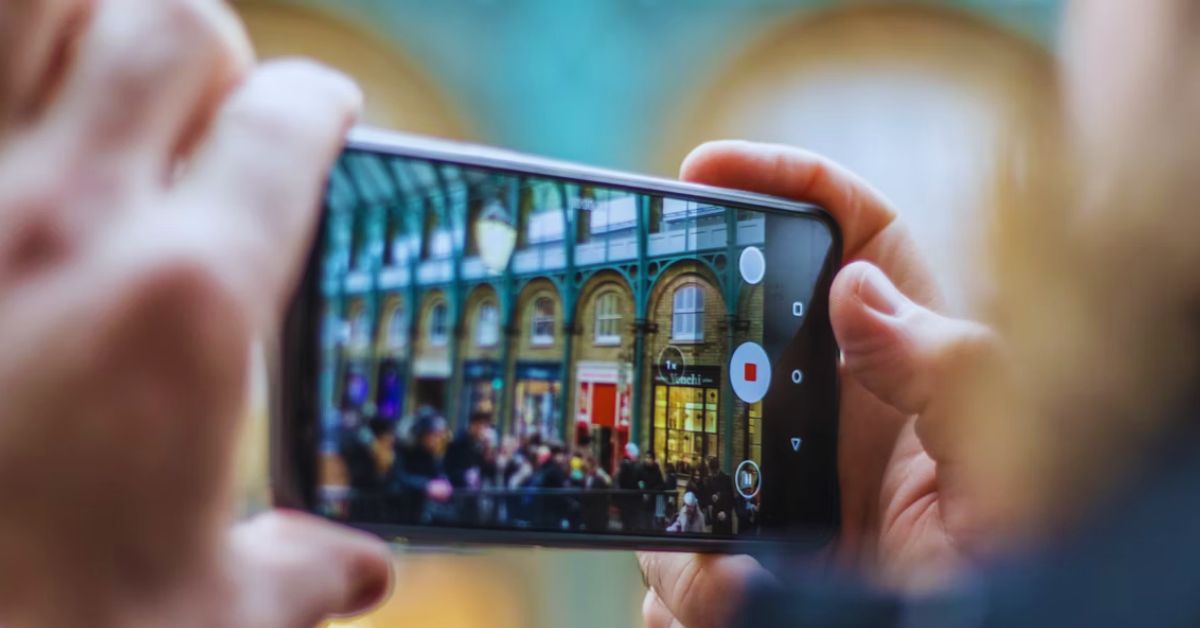
You are standing next to your friend at a concert, a party, or just outside somewhere with decent light. You both take the same photo. Same moment, same subject, same lighting.
Then you look at each other’s screens.
Theirs looks like a magazine. Yours looks like a memory from 2015.
And the thing is, you looked up the specs before you bought your phone. You thought you were getting a good camera. The megapixel number was high. The reviews seemed fine. So why does the photo look so different?
This is one of the most common and genuinely confusing phone frustrations people experience, and the answer almost never has anything to do with the number most people look at first.
Megapixels measure how many tiny dots make up a photo. A higher number means a larger photo file with more detail if you zoom way in. But megapixels say almost nothing about what the photo actually looks like when you take it, because the megapixel count has almost nothing to do with how well the camera handles light.
And handling light is everything in phone photography.
The part of your camera that actually determines photo quality is the sensor, which is the physical piece inside the phone that captures light coming through the lens. A bigger sensor captures more light, which means more detail in shadows, less noise in low-light situations, and more natural color in tricky conditions.
Two phones can both have 50 megapixel cameras. If one has a significantly larger sensor, its photos will look dramatically better in almost every situation, and you will not see that difference listed anywhere on the box.
The other thing that separates a great phone camera from a frustrating one is something you cannot see at all from the outside. It is the software that processes the photo in the fraction of a second after you press the shutter button.
Modern phone cameras do an enormous amount of work between when you tap and when the photo saves. They take multiple exposures almost simultaneously. They analyze the scene for faces, objects, and light sources. They combine all of that information and make thousands of tiny adjustments to brightness, contrast, shadow detail, and color before you ever see the final result.
Some companies do this processing extremely well. Google’s Pixel phones, for example, are consistently praised for photo quality despite using hardware that is not always the most impressive on paper. The software processing is doing a huge amount of heavy lifting.
Other phones do this processing in a way that overexposes highlights, crushes shadows, or oversaturates colors so that everything looks artificially vivid. The photo looks sharp on a phone screen but falls apart when you look closely or print it.
The lens quality matters too. Phone lenses are tiny, which creates physical limits on how much light they can let in and how accurately they can resolve fine detail at the edges of a frame. Premium phones tend to use higher quality glass with wider apertures, which are essentially larger lens openings that let more light in.
Camera apps make a bigger difference than most people expect as well. If your phone came with a basic default camera app, switching to something like Google Camera, which runs on many Android phones, can noticeably improve photo quality overnight without changing any hardware at all. The processing algorithms are simply better.
If you genuinely want better photos from your current phone without buying a new one, there are things that actually help. Cleaning the lens is embarrassingly simple but makes a real difference because a smudged lens blurs fine detail across the entire image. Tapping on the subject you actually want in focus before taking the photo rather than just trusting the camera to guess gives you sharper results on the thing that matters. Taking photos in good natural light rather than indoors under artificial lighting is still the single biggest factor in photo quality, regardless of how expensive your phone is.
And when you are comparing your photos to someone else’s and wondering where you went wrong, remember that the number on the spec sheet almost never tells the whole story. The sensor size, the software, the lens, and the processing all matter more than the megapixels in almost every situation that actually comes up in real life.
More in Tech – Is It Actually Worth Upgrading Your Phone Every Two Years : The Honest Math Nobody Does for You